
Interior Design Principles and Ideas for Creating a Welcoming Home
- 2 days ago
- 5 min read

A house that is beautifully designed doesn’t necessarily mean that you had to chase the latest trend or fill every nook and cranny with something expensive. What it means is that you created a space that is not only aesthetically pleasing, but is also comfortable, deliberate, and yours alone. Beautifully designed interiors serve two purposes at the same time; they visually appeal to you, and they provide you with a supportive environment in which to live. Whether you are looking to update just one room or redesign your entire home, some basic interior design principles will allow you to create a better space.
Start with Balance
The idea of balance is probably the first and most widely accepted principle of interior design. Every room should have a visual sense of balance. This does not mean that everything has to be exactly alike. Most rooms are more inviting when nothing is alike. Visual balance is achieved by distributing color, shape, scale, and weight throughout a space in a manner that feels natural. For example, if you have a large sectional sofa on one side of a living room, you would likely need a large chair, console, or piece of art on the opposite side of the room so that the room does not feel lopsided. A balanced space generally has a sense of being "settled" and this usually translates into a feeling of calm.
Layers Give the Room Depth
Layering is another critical principle of good interior design. Unfortunately, many homes are lacking in their design because they are relying only on a single or maybe a couple of design elements. An attractive room typically uses multiple layers of design: furniture, lighting, textiles (e.g., rugs, upholsteries), art, natural elements (e.g., plants), and decorative objects (i.e., collectibles). Layering gives a room depth and personality. It is what transforms a space from feeling "complete" to truly lived-in and welcoming. If your room seems incomplete, the problem may not be with the furniture itself, but perhaps the space lacks softer materials, richer textures, or a more thoughtful sense of detail.
Texture Gives Warmth
Texture is especially powerful because it is able to add interest to a space without the use of bright colors or bold patterns. In fact, texture is often the element that transforms a neutral space into a warm space as opposed to a boring space. Consider the difference between a room filled with flat, smooth surfaces versus a room that combines linen drapes, a woven rug, a leather chair, a wooden cocktail table, and soft throw pillows. Even though everything remains within the same color palette, the second room will seem more interesting. Texture invites people into a space. It allows a room to feel tactile, layered, and human.
Use Materials Purposefully
Materials also play a significant role in the mood and overall aesthetic of your home. The types of materials that you select contribute to the atmosphere of your home. For example, natural wood is associated with warmth and timelessness, whereas stone contributes an organic, grounded quality to a space. Depending upon whether the metal finish is brushed, matte, or reflective, metal can add contrast and polish to a space. Glass can add a level of brightness to a space and prevent a space from feeling overly heavy. Upholstered furnishings, particularly those that are made with soft or durable fabrics, contribute comfort and softness to a space. One of the strengths of a well-designed interior is that it typically incorporates a variety of materials as opposed to over-relying on a single material. Too much metal can give a space a cold feel. Too much dark wood can give a space a heavy feel. The correct combination of materials produces balance and visual complexity.
Personality Is In the Details
Small details are often where the personality of a home is revealed. While these are the final touches that people often ignore, they are the things that ultimately determine whether a home is memorable. Examples include the type of decorative trim on a pillow, the shape of a lamp base, the type of hardware on cabinets, the border of a picture frame, or the arrangement of a bookshelf. These types of details affect the level of polish in a room. Details do not need to be elaborate to be impactful. In fact, subtle details often have the largest impact because they appear to be intentional and not forced.
Layers of Light Can Do Wonders
Lighting is another area of importance that receives less attention than it should. Rather than using overhead lighting as the primary source of lighting, a space that has been thoughtfully designed has layers of lighting. Ambient lighting serves to illuminate a space as a whole. Task lighting is used for specific tasks such as reading or cooking. Accent lighting is used to highlight certain areas of the room such as art, bookshelves, or architectural features. Lamps (table, floor), sconces, and dimmer switches can totally alter the ambiance of a room. Proper lighting makes a space feel cozy in the evenings, functional during the day, and welcoming at all hours.
Scale and Proportion Are Important
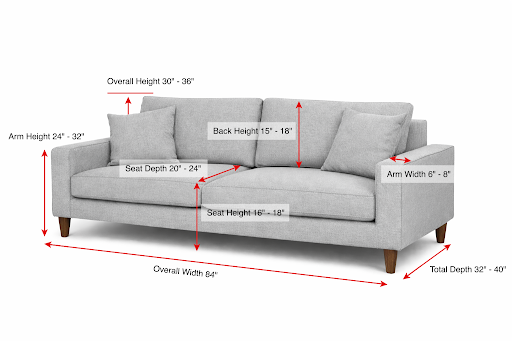
Finally, scale and proportion are also fundamental to achieving success in designing a room. One of the biggest mistakes designers make is selecting furniture that is too small for the space. For example, a rug that barely covers a coffee table can make the whole room feel disconnected. Artwork that is too small for a large wall can look lost. Conversely, oversized furniture in a compact room can be overwhelming. Paying close attention to scale can help each design element relate to the room and to each other. When the scale is correct, a room tends to feel more natural and whole.
Colors Set or Support the Mood
When selecting a color scheme for your home, remember that the color you choose should reflect the mood you wish to establish. Soft neutral colors can evoke a sense of timelessness and relaxation. Deep, rich colors can create a dramatic and intimate setting. Lighter colors can make a small space appear larger and can reflect more light. Color is not limited to the walls of your home either. It can be introduced through upholstery, art, rugs, books, and decorative objects. A home feels more cohesive when similar color schemes are repeated in subtle ways from room to room, as opposed to appearing randomly.
Design for Real Life
Perhaps the most important tip of all is to design for real life. The most beautiful home is one that functions well for your daily routines, your family, and your lifestyle. That may involve selecting fabrics that perform well, adding concealed storage, and allowing for flexibility. A home should never feel like a showplace. It should feel like a space that you can relax, gather, and be yourself.
Thoughtful Design Makes All the Difference
Rhode Island Design Center believes that the ultimate goal of interior design is to create living spaces that offer substance, comfort, and individuality. By considering the factors of texture, materials, proportion, lighting, and the finer details of design, you can turn your home into a space that not only appears elevated, but feels truly lived in and loved.
If you are prepared to redefine your space, thoughtful design choices will help you achieve that one layer at a time.
Get more interior design tips by contacting RI Design Center to speak with one of our interior designers.


Comments